Young Egret’s Nonstop Flight Aids Bird Flu Monitoring in Australia
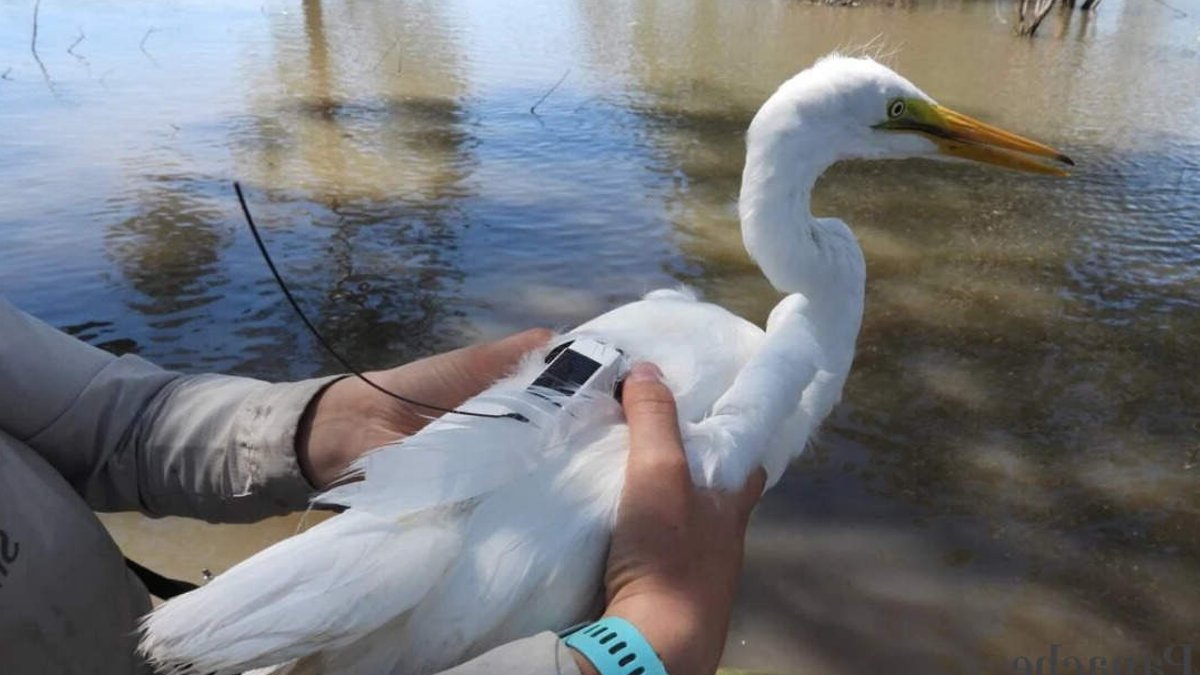
A young egret named Yurru flew 38 hours nonstop, tracked by a GPS device. This feat is now part of a larger effort to monitor bird flu in Australia. Scientists are using tracking technology, bird droppings, and genetic testing to study avian influenza in the Murray-Darling Basin, the country’s largest river system. Yurru’s journey was monitored for five months using a lightweight satellite tracker attached with a specially designed harness, providing valuable insights into bird movements.
Tracking birds to prevent outbreaks
The project, led by CSIRO, Australia’s national science agency, has been tracking waterbirds for nearly a decade. Researchers monitor bird movements to understand their travel patterns, responses to water conditions, and wetland dependencies. This data could help identify vulnerable populations before a major bird flu outbreak. The tracker on Yurru stopped transmitting due to the shutdown of Australia’s 3G network, not because the bird was lost. The team has monitored hundreds of birds, with advanced mapping revealing routes connecting coastal regions to inland wetlands, key for understanding infection spread.
One straw-necked ibis, named Benji, has provided nearly nine years of tracking data. The team has also discovered a major inland flight corridor connecting south-eastern Australia to Queensland, used by multiple species. Research published in 2025 highlighted how waterbirds exploit favorable winds, reaching speeds of 135 kmph and covering up to 700 km daily, showing the rapid potential spread of infections.
Bird flu concerns in the Murray-Darling Basin
Australia has detected highly pathogenic H5 avian influenza in wildlife, raising concerns about its impact on native species. The Murray-Darling Basin, with its large breeding colonies, is a particular worry. Heather McGinness, a CSIRO research scientist, warns that thousands of birds gathering in one place could be at risk of infection. Large-scale breeding events, occurring every few years, exacerbate this risk.
The concern extends beyond migratory birds. Nomadic and resident species may also spread the virus between wetlands, making infection patterns hard to predict. Scientists are testing bird droppings from remote wetlands to identify virus strains and study their genetic composition. Fresh droppings are collected in the early morning, as sunlight can destroy the virus. This research aims to understand how infections move between bird populations and identify areas at greater risk.
The threat to Australia’s wetlands
The Murray-Darling Basin supports numerous bird species and breeding grounds. A widespread H5 bird flu outbreak could cause significant wildlife losses. While the Australian government has reported H5 detections in wildlife, including mammals, there is currently no evidence of mammal-to-mammal transmission. No detections have been reported in the country’s poultry or agricultural production systems.


