Red Sea crisis disrupts global trade routes
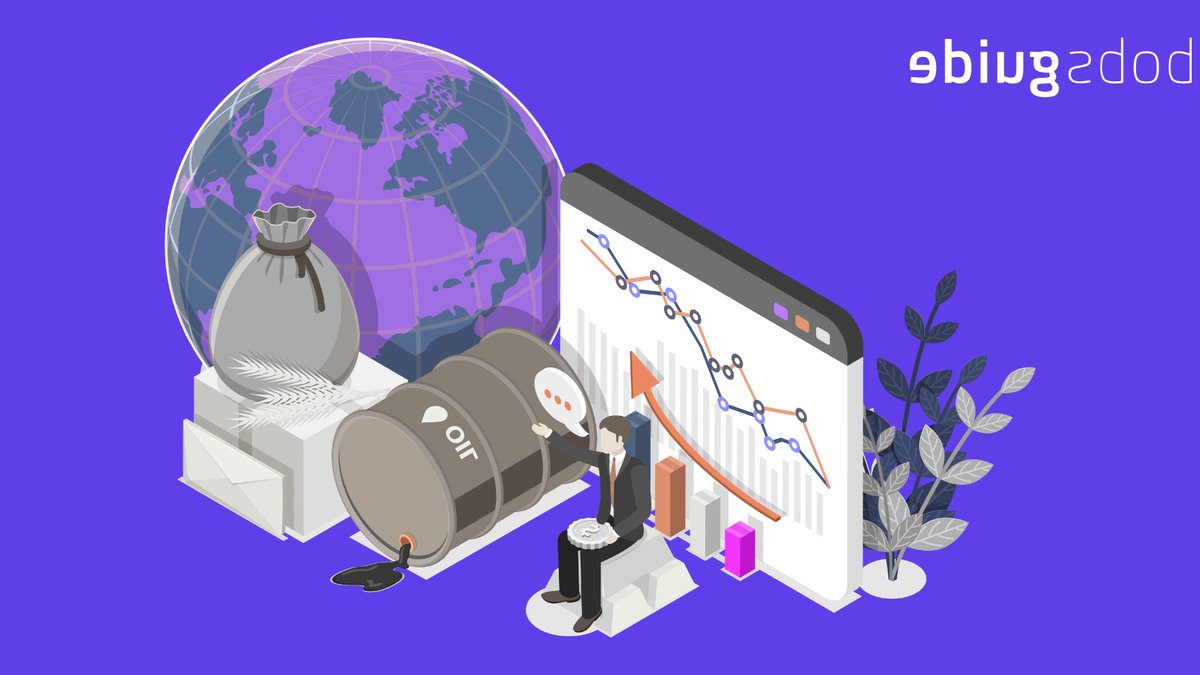
Global commodity markets are now operating in an environment where conflict has shifted from being a temporary disruptor to the main force behind lasting structural changes. The deliberate use of scarcity as a weapon—through strikes, sanctions, and the blocking of key trade routes—has transformed commodities into instruments of state policy, compelling financial systems to adjust in ways not seen since the 1970s oil crisis.
How the Red Sea Crisis Is Reshaping Trade
The Strait of Hormuz closure, triggered by US-Israeli actions against Iran in early March 2026, has created a compounded bottleneck. With 20% of the world’s oil and liquefied natural gas trade now stalled, Brent crude prices have surged to $82 per barrel, up from $66 just four weeks earlier. European gas costs have doubled in a week, exceeding €65 per megawatt-hour following reports of drone strikes on Qatari LNG facilities.
Ships rerouted around the Cape of Good Hope, already 20% slower and 30% costlier than Suez transit, are clogging alternative routes. This is more than a logistical problem; it represents a systemic threat. The 33% drop in global supply endangers food production, as US agricultural costs rise alongside fertilizer and fuel expenses.
This crisis marks a departure from past disruptions. Unlike earlier conflicts that temporarily disrupted trade, today’s weaponized scarcity is designed to permanently alter market structures. The US and UK responses, $12 billion allocated to Project Vault for stockpiling critical minerals and expanded sanctions on Russia’s shadow fleet—reflect a pivot from economic policy to national security strategy.
The data shows the severity:
Read Also: Liberis and Dojo offer SMBs faster capital access
- Brent crude now trades at $82 per barrel, up from $66 in late February 2026.
- European gas prices have reached €65 per megawatt-hour after doubling in one week.
- Global oil supply is restricted by 33%, with 20% of LNG trade halted.
- US food production costs are climbing due to correlated crude and fertilizer price increases.
The issue extends beyond price spikes. The instability of those prices poses the greater risk. A single drone strike on a refinery or new sanctions can revalue entire asset classes overnight. For fintech firms, the task is no longer just tracking volatility but designing systems capable of enduring it.
Fintech’s Race to Outmaneuver the Crisis
Trading platforms have abandoned reliance on traditional supply-and-demand models. The adoption of real-time geopolitical heat maps and satellite monitoring to track vessel diversions around the Cape of Good Hope is now standard practice. These tools are not merely reactive; they use AI to anticipate where the next bottleneck will emerge before it materializes.
The shift also affects on-chain real-world assets. As conventional maritime insurance is being withdrawn over the weekend, tokenized physical assets provide a faster, more transparent alternative. The true challenge lies in resilience. Commodity exchanges, now high-value targets for state-sponsored cyberattacks, require fortified APIs and cloud infrastructure as a non-negotiable requirement.
Consider the shadow fleet issue. Russia’s network of evasive tankers has forced the UK to expand enforcement capabilities. Meanwhile, Project Vault in the US does more than stockpile minerals, it aims to decouple supply chains from vulnerable regions. These measures are not just reactive; they represent deliberate strategic recalibrations.
Current priorities center on liquidity and adaptability. Markets are not stabilizing, they are adapting to the next shock, and with no resolution to the Red Sea crisis in sight, this adaptation is happening immediately.
Read Also: Liberis and Teya Expand Czech Funding Options
The Long-Term Gamble
The crisis exposes a critical flaw: global supply chains were never as resilient as previously believed. Any future conflict in the region will trigger immediate, cascading effects on energy, food, and minerals.
Uncertainty remains about whether fintech’s response will be sufficient. The tools in development, real-time geopolitical tracking, tokenized RWAs, and hardened infrastructure, are essential but not enough. The greater challenge is scaling these solutions globally before the next disruption occurs. For now, the systems remain reactive. The test will be whether they can evolve into proactive defenses.
The financial sector’s ability to quantify uncertainty will determine survival in this new era. Markets are still learning how to hedge against a world where conflict is the baseline risk. The question is not whether this will change, it is how quickly.
One certainty remains: treating geopolitical risk as an afterthought is no longer viable. The fintech firms that embed it as a foundational element of their operations will endure when the next shock arrives.

Liberis and Dojo offer SMBs faster capital access


