Trade Tensions Pose Risk to Growth
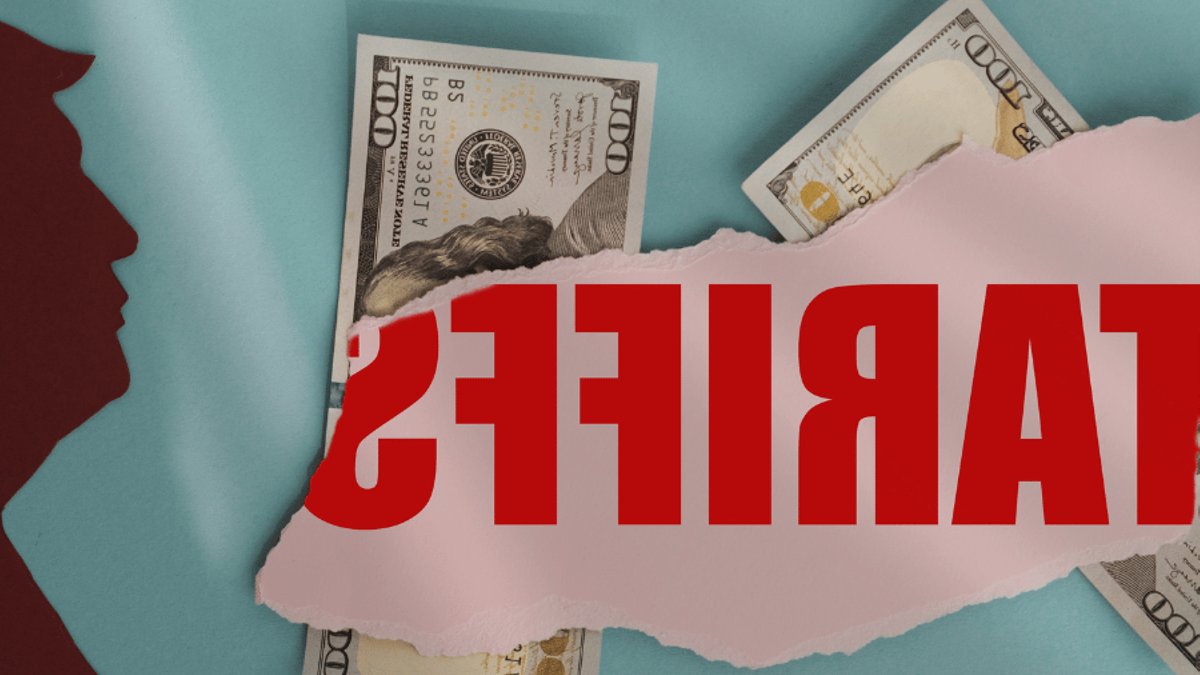
Nearly all market participants surveyed by the Bank of Canada flagged rising trade tensions as a leading downside risk to growth, a concern that has sharpened after the United States announced new tariffs on Canadian imports.
Survey finds trade friction tops risk list
According to the second‑quarter Market Participants Survey released Monday, 96 percent of respondents identified an increase in trade tensions as a top risk to the Canadian economy. The same survey placed tightening global financial conditions as the second‑most likely threat, with 65 percent of participants citing it, while geopolitical risk earned 42 percent of mentions.
On the upside, 92 percent of those polled said they expected trade tensions to ease. The median forecast for real GDP growth was 1.3 percent for this year, rising to 1.9 percent by the end of 2027. That 2026 figure is 0.3 percentage points lower than the previous May survey, according to the Financial Post.
Monetary policy outlook amid uncertainty
Respondents anticipated the central bank keeping its policy rate at 2.25 percent through the end of 2026, then moving it to 2.75 percent by the close of 2027. Forty percent saw the risks around that path as skewed higher, 28 percent expected a lower trajectory, and 32 percent judged the risks balanced.
Related: BC Court Compels KPMG Partner Testimony Over Confidentiality
Governor Tiff Macklem reiterated that “uncertainty is high, and we’re prepared to adjust monetary policy as needed,” after the July 15 rate decision, warning that rates could still rise if oil prices fed into broader price pressures.
Inflation expectations eased from a median 2.6 percent at the end of 2026 to 2.1 percent a year later.
Bank of Canada’s own Monetary Policy Report projected slower growth of 0.7 percent this year and 1.8 percent for each of the next two years.
Trade dispute escalates
President Donald Trump told Fox News that he would rather abandon the trilateral trade pact than renegotiate it, stating, “I don’t care. I mean, I don’t really want to. I’d rather be independent.” He added, “Mexico and Canada need us. We don’t need them.” The same day, Canada’s trade minister Dominic LeBlanc travelled to Washington with chief negotiator Janice Charette for the first in‑person talks since the new duties were announced.
The United States imposed a 50 percent tariff on roughly US$20 billion of Canadian goods, including wine, hockey sticks and cement, effective August 19. Canadian businesses reported that the heaviest cost falls on investment projects that have been delayed, rather than on the duties themselves, according to a Canadian Chamber of Commerce Business Data Lab report cited by CTV News. Vice‑president Patrick Gill explained that postponing spending on machinery, research and development, or staff will curb future growth, wages and productivity.
Related: Ujjivan SFB shares get unanimous Buy calls
Historically, trade‑related uncertainty tends to suppress capital formation more than the direct cost of tariffs, a pattern that mirrors earlier disputes where firms chose to wait out policy swings before committing to new projects.
Bank expectations for rates diverge
Forecasters remain split on the extent of future rate hikes. National Bank of Canada strategists noted that the link between oil prices and Bank of Canada policy expectations has weakened, even as the central bank’s stance remains firm elsewhere. They cautioned that, if market pricing holds, the BoC could deliver more tightening than any other central bank in the advanced‑economy sample next year.
Among the six major banks, end‑of‑2027 rate projections ranged from no change at 2.25 percent for Toronto‑Dominion and Bank of Montreal, to 3.25 percent at Royal Bank of Canada. Bank of Nova Scotia saw 3 percent, while both CIBC and National Bank of Canada forecast 2.75 percent.
Overall, 96 percent of those surveyed believe the economy is operating below its potential, and they assigned a 25 percent median probability of a recession within the next year. The combination of trade friction, lingering financial tightening and persistent inflation uncertainty continues to shape expectations for Canada’s growth trajectory.

BC Court Compels KPMG Partner Testimony Over Confidentiality


