Burnham and Healey’s shift away from Thatcher’s Big Bang legacy
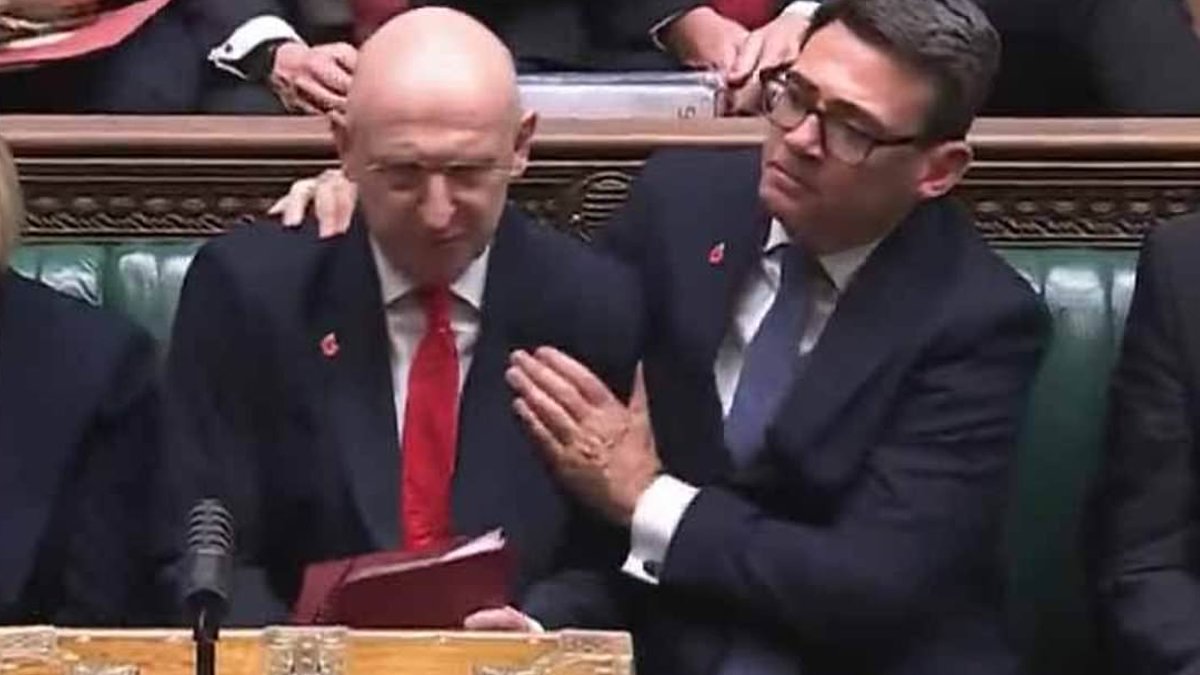
The 40th anniversary of Thatcher’s Big Bang reforms has arrived, but the current political climate under Burnham and Healey appears to be moving in a different direction, according to Ruth Sunderland.
This transformation was followed by a speech at the Lord Mayor’s Banquet, where she outlined her vision of popular capitalism, aiming to increase the number of owners and shareholders. It is not remembered in the same way as her great rhetorical phrases such as ‘The lady’s not for turning’, but for economists it was a highly significant early statement of her vision. In her eyes, it went beyond economics and was a social and moral philosophy.
Thatcher’s Reforms: Global Reach
Thatcher’s policies had a significant impact on the UK economy and beyond. By scrapping exchange controls, the City gained the ability to compete on a global scale. The right-to-buy scheme resulted in the sale of 2.8 million council homes, while building societies underwent demutualization and state utilities were privatized. One economist described this shift as the largest transfer of power since Henry VIII. Her influence extended internationally, with the fall of the Berlin Wall and the rise of liberal capitalism partly attributed to Thatcher’s alliance with Ronald Reagan. However, these changes were not universally welcomed. Prime Minister Andy Burnham remains among those critical of Thatcher’s legacy.
Read Also: Tony Hadley vows to perform into his 90s
Challenges and Unintended Outcomes
The reforms brought about several unintended consequences. Demutualized building societies suffered during the financial crisis, and final-salary pension schemes have become rare in the private sector. Privatized utilities, including Thames Water, have faced scrutiny for their performance. Plenty of people hated it at the time, and some, including Burnham, hate it still. Furthermore, with fiscal drag pushing millions into higher tax brackets, we can only hanker for Nigel Lawson’s great tax-cutting Budget of 1988. The City no longer holds the same prominence, and individual share ownership has decreased.
Today, the City is a ghostly facsimile of its brash, buoyant Big Bang era incarnation. Healey’s recent Budget failed to address these concerns, as hiking taxes on banks will hurt growth, which Healey realises, even if some of his Left-wing colleagues do not. The Big Bang’s effects on the financial sector persist, but its legacy is under re-examination. Learn more about the Big Bang’s impact.
The great reform of her time was to make more and more people owners, just as democracy and the right to vote had been the mission for earlier generations. The opening up of the Square Mile went hand-in-hand with a wider transformation of the economy that lifted the pall of the 1970s. As the nation marks the 40th anniversary of the Big Bang, Thatcher’s legacy remains a divisive yet influential force in British politics and economics. The ongoing debate reflects the enduring impact of her reforms on the country’s financial and political scene.


