Healey faces pressure to boost UK defence spending
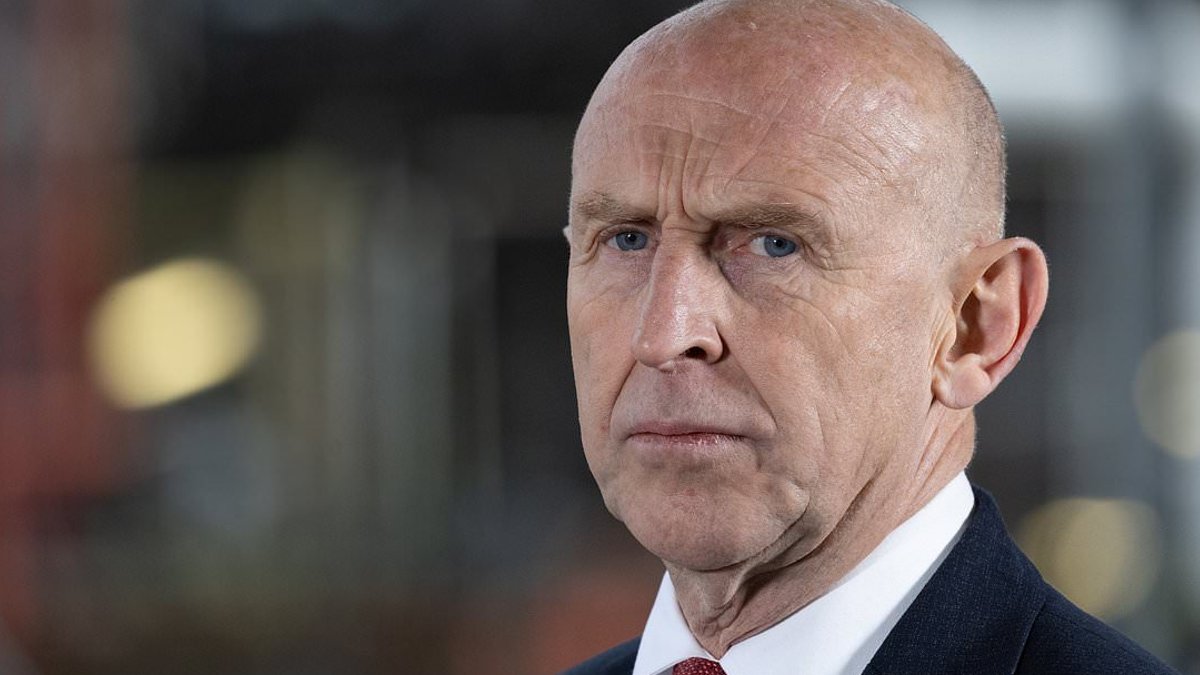
Chancellor John Healey is under pressure to increase spending on national security in the upcoming Budget, as Britain has fallen down the Nato league table of military spenders. The UK currently spends 2.3 per cent of its national output on defence, but the Institute for Fiscal Studies believes this needs to increase to 3.5 per cent by 2035, which would require an extra £36 billion.
This increase would work out at £500 for every household in Britain. However, decisions on how to achieve this increase have been postponed until 2027.
National Security Concerns
Visitors to Bletchley Park near Milton Keynes will be aware of the importance of codebreaking and computing skills in defeating Nazism in the Second World War. The recent AI-driven discovery of a coding vulnerability in many of the nation’s computing systems has sounded a red alert.
Read Also: New rules grant unions workplace access rights
Bank of England governor Andrew Bailey has advocated for the development of robust digital defences. The UK’s failure to develop its own satellite capabilities has left it dependent on the US, which has become a less reliable ally. This dependence on the US has been highlighted by the actions of Elon Musk, who recently took down Starlink satellites that are vital in an age of drone warfare.
Defence Spending
The Government has committed UK Typhoon fighter jets to assist Saudi Arabia in a defensive role. However, while those aircraft are operating over the Gulf region, the UK’s own limited defences are stretched. The US has decided that keeping advanced B-1 bomber squadrons at RAF bases is no longer a safe option.
Financial Implications
The increase in defence spending would require significant investment. The Institute for Fiscal Studies recommends this increase to meet NATO’s 3.5 per cent target by 2035. This increase would be a significant burden on households.


