Midterms Bring Market Gains Amid Trump’s Political Setback
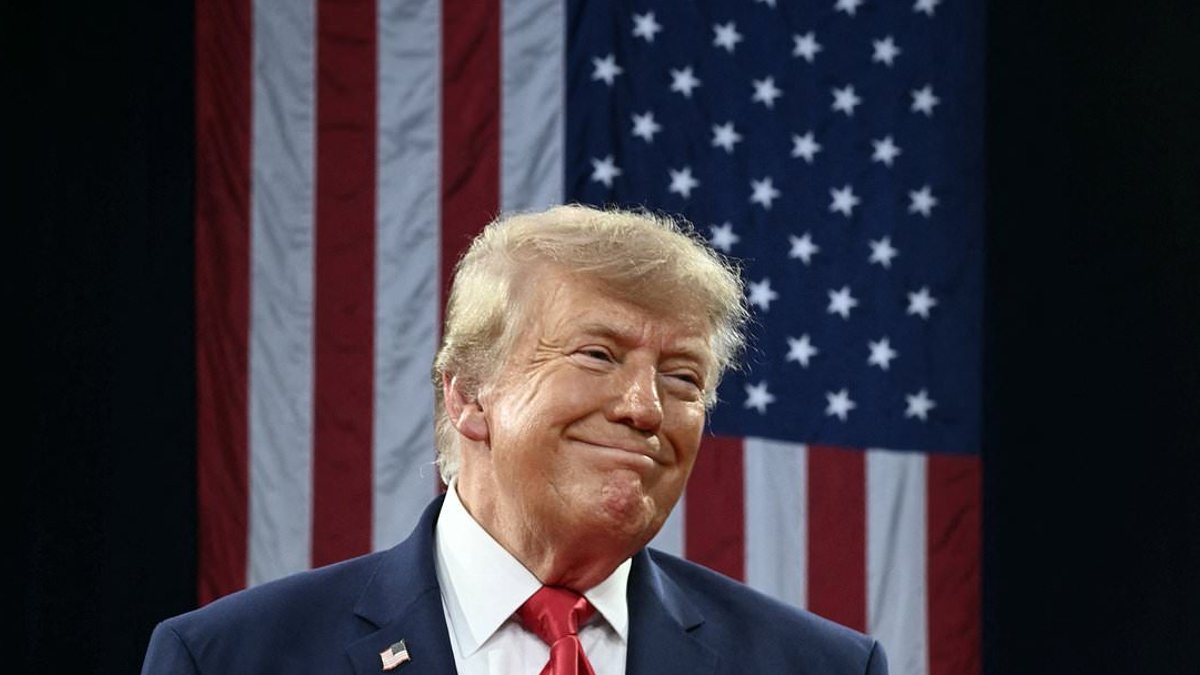
The outcome of the midterm elections approaching in nine days has dominated discussions in Washington, with near certainty that Democrats will gain control of the House of Representatives and a chance of capturing the Senate. Donald Trump faces political humiliation under either scenario. However, a less prominent financial narrative suggests the results could buoy share prices, particularly in the United States and possibly the UK.
The S&P 500 index has risen in every 12-month period following midterm elections since 1950, averaging a 15 percent gain. The largest rise was 43 percent after the elections of 1954, and the smallest just 3 percent in the months after the 1986 vote, even as Black Monday occurred that year. Despite the crash, the index still managed an overall gain. This pattern implies that market volatility in the short term may not derail long-term growth.
Read Also: Healey faces pressure to boost UK defence spending
The consistent upward trajectory of the S&P 500 after midterms challenges the notion that political outcomes always shake investor confidence. The index has risen every year following the elections since 1950, even amid significant economic disruptions. The 1954 spike followed a period of post-war adjustment, while the 1986 gain came despite the October 1987 crash. These data points suggest that markets tend to recover and grow beyond immediate political and economic shocks. The author, who observed this trend firsthand during a recent visit to Washington, noted the remarkable consistency of this pattern.
Wall Street’s Preference for Gridlock
Market analysts attribute part of this resilience to investor preference for political gridlock. When Congress is divided between parties, legislative action on disruptive policies becomes unlikely, allowing businesses to focus on profitability. This environment has historically benefited corporate earnings, which have risen 29 percent year-over-year for S&P 500 companies despite facing tariffs, inflation, and geopolitical tensions. A divided Congress, with Democrats controlling the House and Republicans retaining the Senate, aligns with this favorable environment, minimizing regulatory and fiscal interference that might threaten corporate growth.
Read Also: New rules grant unions workplace access rights
Implications for Global Markets
The UK’s financial situation is also affected by U.S. market movements. London shares often mirror New York’s performance due to the UK’s smaller presence in global equity markets. With over half of global equities traded in the U.S., UK investors—many of whom hold significant U.S. assets—stand to benefit from continued American market strength. Additionally, U.S. households hold a third of their net worth in equities, compared to just 8 percent in the UK outside pensions. This disparity reflects structural differences in tax policy, where UK capital gains on primary residences are tax-free, disincentivizing equity investment and pushing domestic startups to seek funding abroad.
As President Calvin Coolidge once noted in 1925, “After all, the chief business of the American people is business.” This enduring focus on commerce underpins the market’s resilience, regardless of political shifts. While the upcoming elections may change the balance of power in Washington, historical patterns suggest equities remain a stable long-term bet for investors.


