FSB’s Beaumont Says Labour Agrees Tax Burden Too High
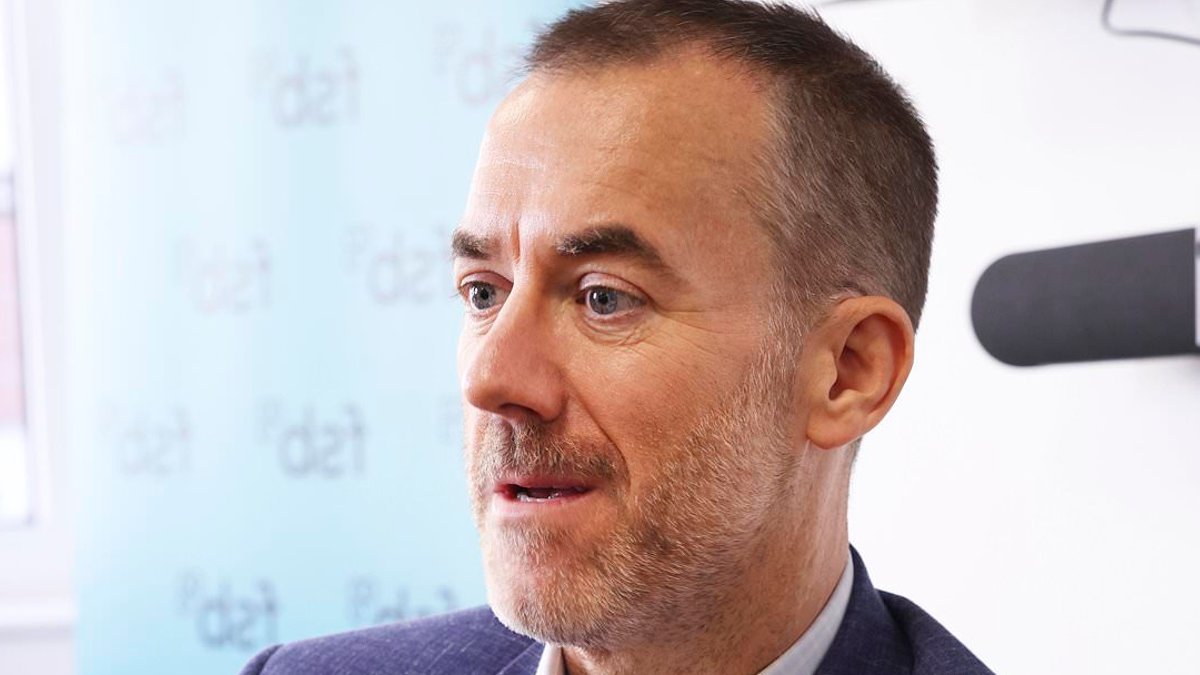
Craig Beaumont, executive director of the Federation of Small Businesses (FSB), has been spending considerable time in Downing Street discussing small business support with government officials. The FSB, established in 1974 as a trade union for the self-employed, represents over 200,000 members across the UK.
Advocating for Tax Relief
“I was in with the Chancellor asking about the Budget and with the Prime Minister,” Beaumont told reporters, revealing his active engagement with policymakers ahead of the upcoming fiscal plans. He emphasized that even opposition Labour agrees the current tax burden is unsustainable, warning that under current policies it will reach its highest level since 1948 during Stafford Cripps’ tenure as Chancellor.
Beaumont’s primary focus for the Budget is increasing Small Business Rate Relief from the current £12,000 threshold to £25,000. This change, he estimates, would remove at least 250,000 additional small firms from paying business rates. “Business rates are a horrible pernicious tax,” he stated, describing the current system as problematic for enterprises struggling with operational costs.
Easing Employment Costs
A second priority involves raising the Employment Allowance, which currently lets firms reduce their annual employers’ National Insurance bill by up to £10,500. Beaumont argues this benefit primarily helps smaller companies and that uprating it in line with the National Living Wage would support hiring, particularly for younger workers. He points to 200,000 missing jobs in the economy attributed directly to National Insurance increases introduced in the 2024 Budget.
Read Also: Midterms Bring Market Gains Amid Trump’s Political Setback
Raising the Employment Allowance would cost approximately £450 million, according to Beaumont, who considers this expenditure manageable. He also highlights the plight of older workers, noting nearly 1.5 million people aged 50-64 are economically inactive due to health issues. “Where is the equivalent for older people?” he questioned, contrasting intensive political focus on NEETs—those not in education, employment, or training—with the neglected needs of mature employees.
Digital and Regulatory Challenges
Beaumont has been monitoring Business Asset Disposal Relief (BADR), which reduces capital gains tax for entrepreneurs selling or closing companies. He expressed concern over the progressive increase from 10% to 14% to 18%, calling for the 18% rate to be canceled entirely, describing it as “It is retrospective, it is a change in the rules that is really unfair.”
Additional challenges include social media platform restrictions affecting small businesses. Meta has reportedly shut down Facebook pages for firms wrongly flagged for policy violations, leaving business owners without recourse. The FSB is investigating the scale of this issue. Beaumont also criticized recent Companies House reforms requiring directors to verify identity, noting fees have doubled to £100 and new demands for profit and loss accounts complicate the process unnecessarily.
Despite these obstacles, Beaumont remains cautiously optimistic about potential late-payment legislation capping business-to-business terms at 60 days. The FSB’s July survey revealed the lowest proportion of firms expecting growth since 2014, leading him to describe the situation as requiring urgent attention.


