Nigeria banks retain record cash despite CBN liquidity squeeze
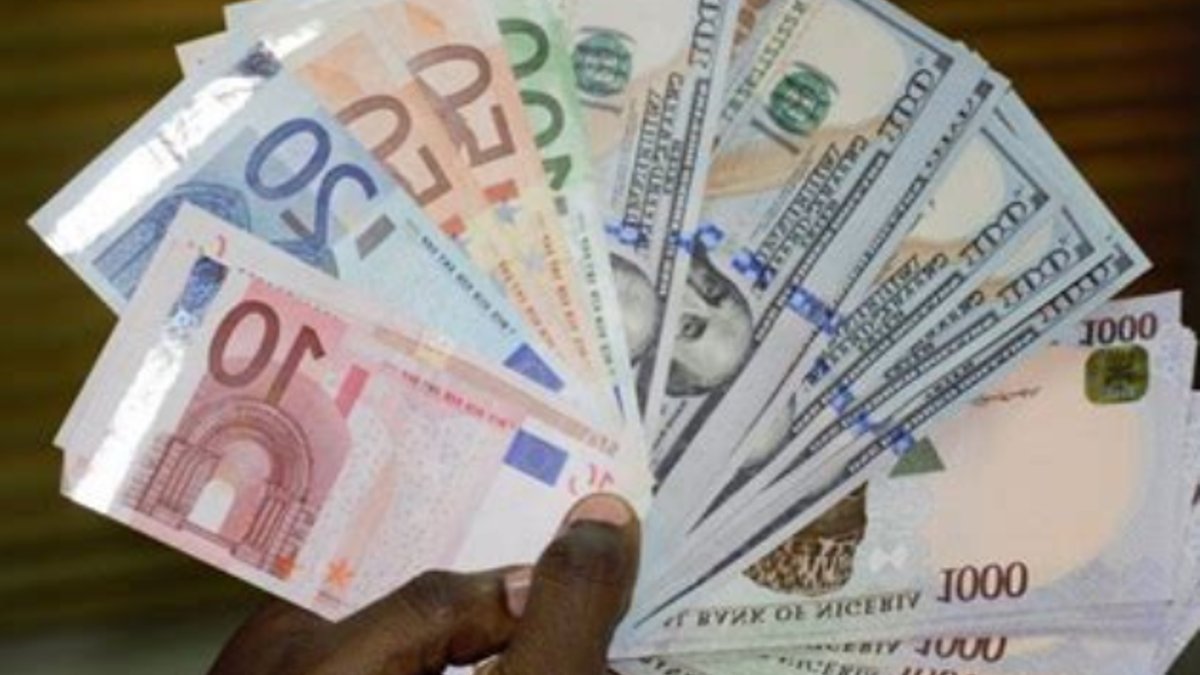
Nigeria’s banking system liquidity surged by N1.13 trillion in a single week to N8.505 trillion, defying efforts by the Central Bank of Nigeria (CBN) to drain excess cash through Open Market Operations (OMO). The increase marks a 15.36% week-on-week rise, despite the CBN raising N5.667 trillion in two OMO auctions on November 3 and 6, according to the Financial Markets Dealers Association (FMDA). The latest spike follows the CBN’s aggressive liquidity management, which has already pulled in 91.7% of the N6.182 trillion absorbed in October. OMO operations work by selling securities to banks, reducing excess funds and shaping short-term interest rates, but the latest data shows liquidity remains stubbornly high, even after the central bank’s interventions.
The FMDA’s weekly report highlights that the system’s liquidity jumped from N7.373 trillion the prior week, showing how persistent inflows continue to outpace the CBN’s withdrawal efforts. The Debt Management Office (DMO) reinforced its tight approach at its November 4 Treasury bills auction, rejecting 75.1% of bids totaling N2.045 trillion. Only N509.401 billion was allotted against an initial offer of N800 billion, indicating its preference for limiting the volume of funds raised despite strong investor demand. This conservative allocation reflects the DMO’s strategy to curb excessive borrowing while managing market expectations. The system now faces another cash influx this week, with N2.448 trillion in expected inflows—N2.298 trillion from maturing OMO instruments and N148.565 billion from Treasury bill maturities.
The CBN may need further action to prevent liquidity from undermining its monetary policy goals, as these maturities could further strain efforts to tighten conditions. The DMO will return to the Treasury bills market on November 11 with an N800 billion offering, split between N100 billion in 91-day bills, N100 billion in 182-day bills, and N600 billion in 364-day instruments, with settlement set for November 12.
The outcome will hinge on investor appetite, though the DMO’s past rejection of excess bids suggests a cautious allocation strategy. Investor behavior in the fixed-income market reveals shifting priorities. Average Treasury bill yields fell by 35 basis points to 17.67%, with the six-month bill dropping 71 basis points to 17.51% and the three-month bill declining 57 basis points to 17.26%.
The nine-month tenor also declined by 49 basis points to 18.23 percent. However, the 12-month bill yield rose slightly by 6 basis points to 18.40%. Meanwhile, Federal Government bond yields climbed 20 basis points to 16.37%, driven by a 104-basis-point jump in the seven-year paper to 17.77%. The divergence between Treasury bills and bond yields suggests that investors are responding differently to supply, liquidity, and return expectations across the fixed-income market. Beyond domestic liquidity, Nigeria’s external reserves dipped 0.16% to $55.133 billion, while the naira’s value fluctuated.


