Neuroscientist links resistance training and leg strength to brain cell
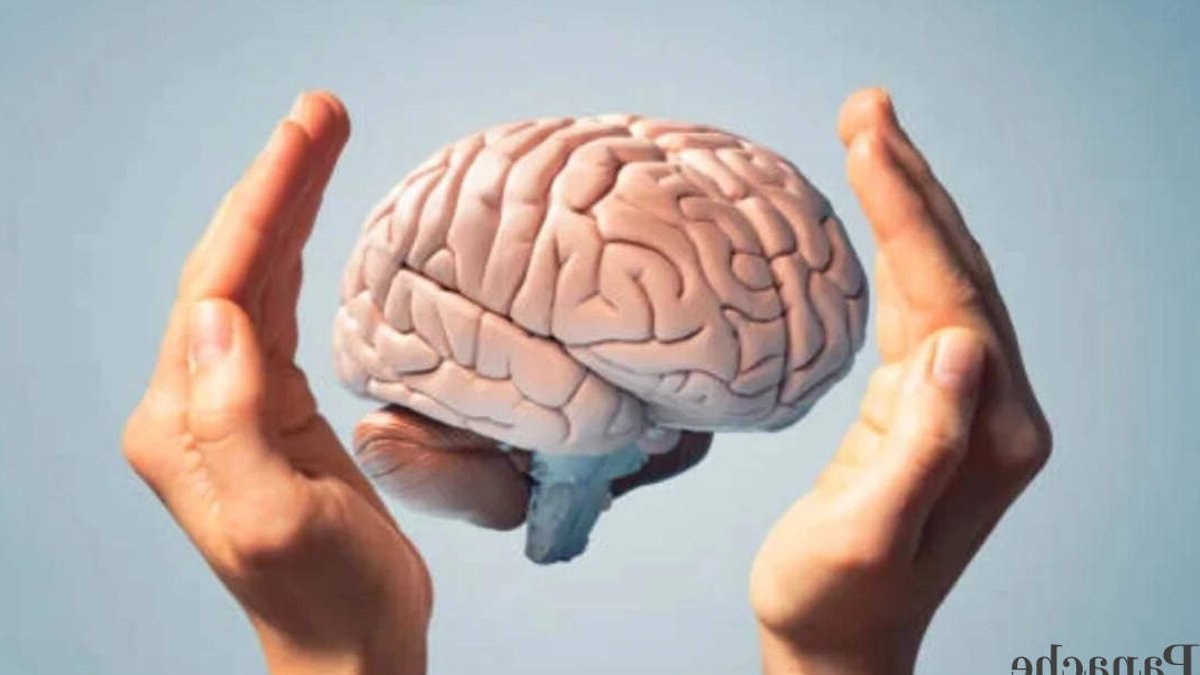
Believe it or not, exercise can help you develop brain cells. Yes, as per a neuroscientist at Princeton, it is possible to grow brain cells in the hippocampus, which, incidentially, is the memory centre of the brain. Turning to LinkedIn, a neuroscientist, Robert Love cited Dr Elizabeth Gould, an eminent neuroscientist at Princeton, who explained how exercises can help you stimulate your brain.
Resistance Training
The first exercise is resistance training, which includes weightlifting and push-ups. When you exercise, your muscles release a growth factor called BDNF, which generates new brain cells and also repairs your brain. According to an article published on the Fisher Center for Alzheimer’s Research Foundation, BDNF (or brain-derived neurotrophic factor) boosts pathways and connections between brain cells, which allows the brain to function better. It encourages promotion and preservation of new memories.
Keep Your Brain Exercised
Don’t sit still when your mind is engaged! Make sure to move your body while your mind is engaged. You can always participate in a dance class or walk while you are talking on the phone. This will help you exercise not just your brain but your body too.
Read Also: Anupam Kher helps Deepika Padukone act naturally
Work Your Leg
Don’t ignore your legs! Strong legs equal a stronger brain. Do ten squats a day, using a chair. According to a study by King’s College London researchers, leg power is also a strong indicator of cognitive ability. The study was conducted on 300 twins. In the journal Gerontology, exercise was shown to release chemicals that boosted ageing brains. Twins who had more leg power retained more cognitive abilities and had less ageing-related brain deterioration after 10 years.
About Elizabeth Gould
Elizabeth Gould, born in 1962, is a neuroscientist from the United States who holds the position of Dorman T. Warren Professor of Psychology at Princeton University. She is well-known for her research showing that new neurons can form in the adult mammalian hippocampus, a finding that contradicted the longstanding view that the adult brain cannot produce new nerve cells. She subsequently provided evidence indicating that neurogenesis takes place in the adult human brain, but later research by other scientists has raised doubts about these results. Elizabeth proposed that there existed a positive correlation between stress and adult neurogenesis.


