Naira’s Weakness Persists Despite Record Foreign Reserves
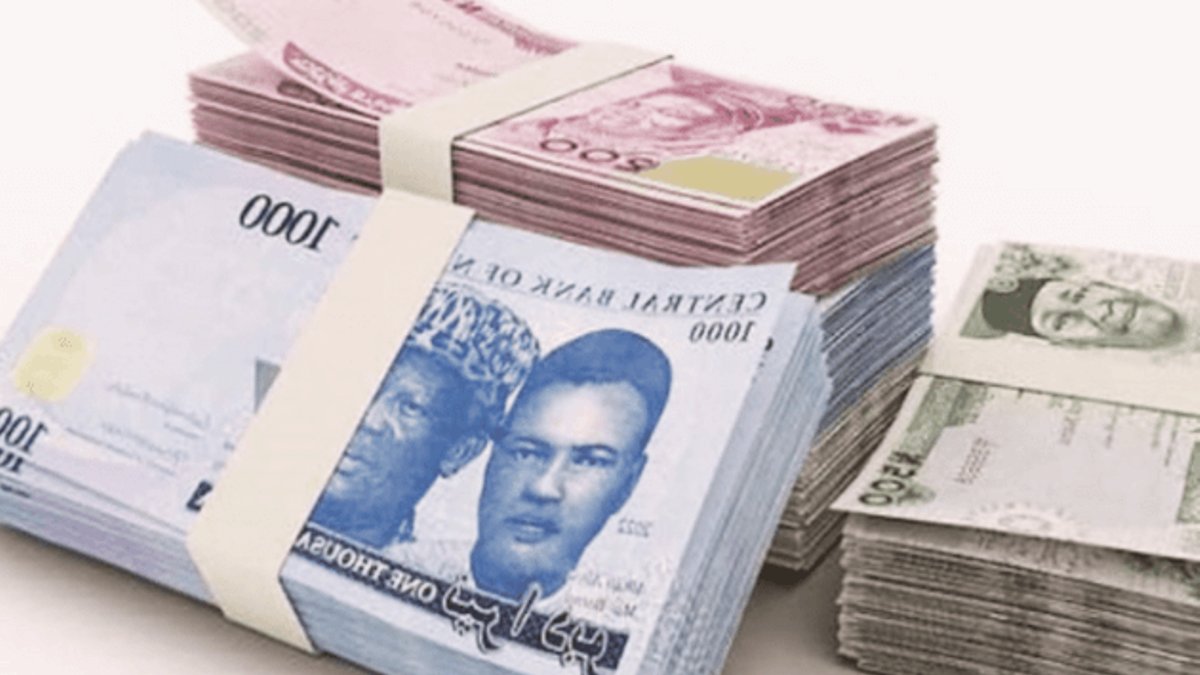
Nigeria’s naira struggles to recover despite the country’s foreign reserves reaching their highest level in years. At the end of October, reserves stood at $55.24 billion, up from $43.15 billion a year earlier.
Yet, the naira depreciated by 1.2% in October, closing at ₦1,346.26 to the dollar. This contradiction highlights a deeper issue: Nigeria’s economic foundation may not be strong enough to support a lasting currency recovery.
Reserves vs. Economic Productivity
While foreign reserves are important for meeting external obligations and reassuring investors, they don’t guarantee a strong economy. Nigeria’s challenge lies in its ability to earn dollars through productive economic activities, rather than just accumulating them.
The distinction between gross and net reserves is significant. Gross reserves include assets with potential liabilities, while net reserves provide a clearer picture of available resources after accounting for obligations.
Foreign Exchange Inflows and Outflows
Nigeria recorded net FX inflows of $22.5 billion in the second quarter of 2026, driven by reduced outflows rather than increased inflows. This raises concerns about the sustainability of the country’s foreign exchange earnings.
The makeup of these inflows is essential. Portfolio investment, which rose by 45% to $6.51 billion, can be volatile and influenced by external factors. In contrast, productive investment in sectors like manufacturing and agriculture creates jobs and generates long-term foreign exchange.
For individuals and businesses, this uncertainty complicates financial planning. Foreign exchange reserves may provide a buffer, but they don’t address the underlying economic challenges.
Nigeria‘s non-oil exports face significant obstacles, and its manufacturing sector relies heavily on imported inputs. This creates a demand for foreign exchange that outpaces the country’s ability to earn it through exports.
The Central Bank of Nigeria can improve market functioning and reduce volatility, but it cannot solve the underlying issues of low productivity and high production costs. The government must focus on policies promoting industrialization, trade, and investment in productive sectors.
As interest rates fall, Nigerians may seek investment opportunities. However, the economic situation highlights the need for a more productive and export-oriented economy, rather than one dependent on short-term capital inflows.
The naira’s recovery depends on Nigeria’s ability to build a stronger, more resilient economy. This requires shifting from accumulating dollars to earning them through increased productivity, exports, and foreign investment in key sectors.
Nigeria’s economic recovery depends on attracting productive investment, which creates jobs, expands output, and generates foreign exchange over time.
To build a stronger economy, Nigeria must tackle challenges in non-oil exports, manufacturing, and agriculture. This includes removing trade barriers, improving energy reliability, and reducing logistics and financing costs.


