EU proposes new security council to counter hybrid threats
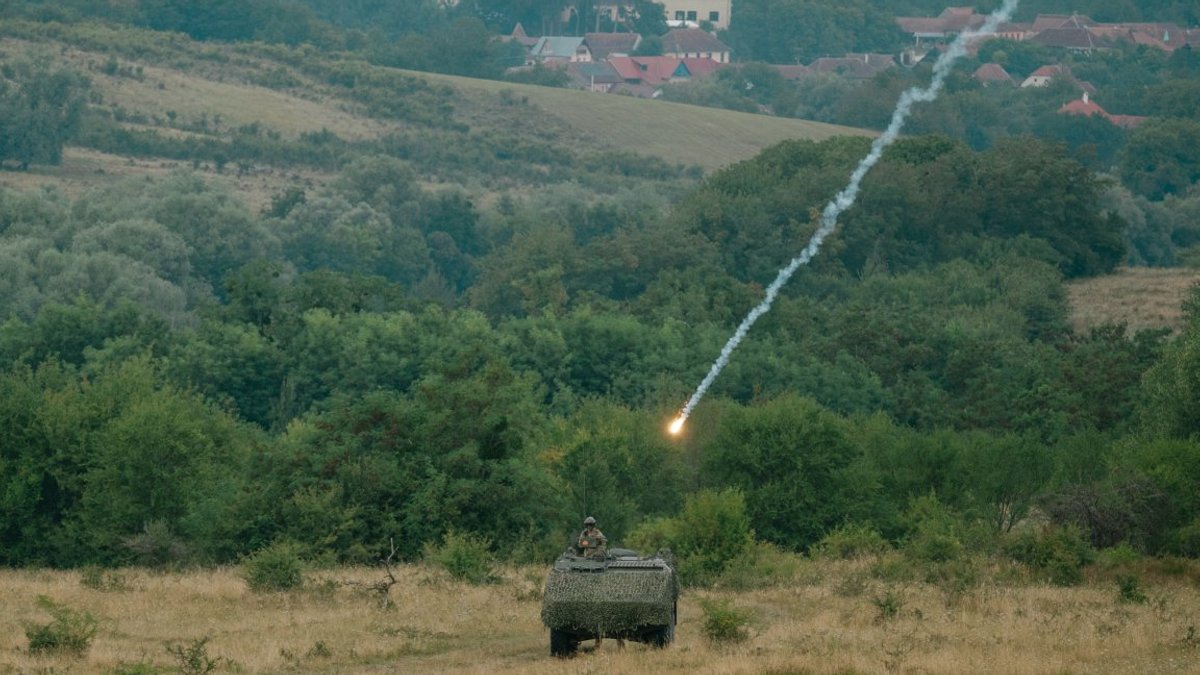
The European Union is introducing a new structure, the European Security Council (ESC), to handle hybrid threats such as sabotage, cyberattacks, and drone attacks that do not meet NATO’s collective defense criteria but still threaten stability. This initiative, announced in a 2026 state-of-the-union address by European Commission President Ursula von der Leyen, seeks to create a complementary framework rather than duplicate NATO’s existing mechanisms.
The ESC would function under three main components. First, it would serve as an adaptable political forum, expanding EU Council summit meetings to include major non-EU allies like Ukraine, the UK, Norway, and Canada. Second, member states would be obligated to convene security councils immediately upon encountering a hybrid threat. Third, a strategic defense fund would prioritize joint investments in air defense, cybersecurity, and space systems—areas where fragmented European production has created vulnerabilities.
Von der Leyen described the initiative as a “countermeasures guide for hybrid actions”, intended to eliminate the EU’s typical bureaucratic delays during crises. Defense Commissioner Andrius Kubilius stressed that the ESC would “not oppose NATO” but instead strengthen the alliance by reducing Europe’s dependence on U.S. decision-making. “A stronger Europe benefits NATO,” he stated, aligning with the EU’s broader push for strategic autonomy—a long-term goal to minimize reliance on American military support.
Hybrid warfare operates in a “gray zone” where attacks, such as energy grid sabotage or disinformation campaigns, fall short of conventional war but still destabilize regions. Since these actions do not meet NATO’s Article 5 threshold for collective defense, Europe has struggled to respond effectively. The ESC aims to address this gap by adopting a process similar to NATO’s Article 4 consultations, allowing members to coordinate responses to non-military threats without waiting for U.S. approval.
Read Also: BYD to hire 40000 in Europe
The proposal also targets two critical EU weaknesses. First, it would replace the bloc’s unanimity rule in security matters with qualified majority voting, preventing a single country from blocking action. Second, it would formalize temporary security coalitions, creating a permanent structure, a need highlighted by the 2022 Ukraine invasion, which exposed deep divisions in European defense policies.
A Delicate Balance With NATO
The ESC’s design reflects growing concerns over U.S. commitment to NATO’s Article 5 guarantees, particularly after Washington’s delayed response to Russia’s 2022 invasion of Ukraine. Experts, including Steven Blockmans of the International Center for Defence and Security Studies, argue that Europe must “build backup capabilities”, a necessity if U.S. involvement in European security diminishes.
However, the ESC’s relationship with NATO remains uncertain. Yet the ESC faces unresolved challenges. Its legal authority is undefined, unlike the EU Council, it cannot issue binding decisions, and lacks a dedicated budget or military command structure. Without these, the body could become ineffective.


