Russia’s Energy Grid Vulnerable to Single Point of Failure
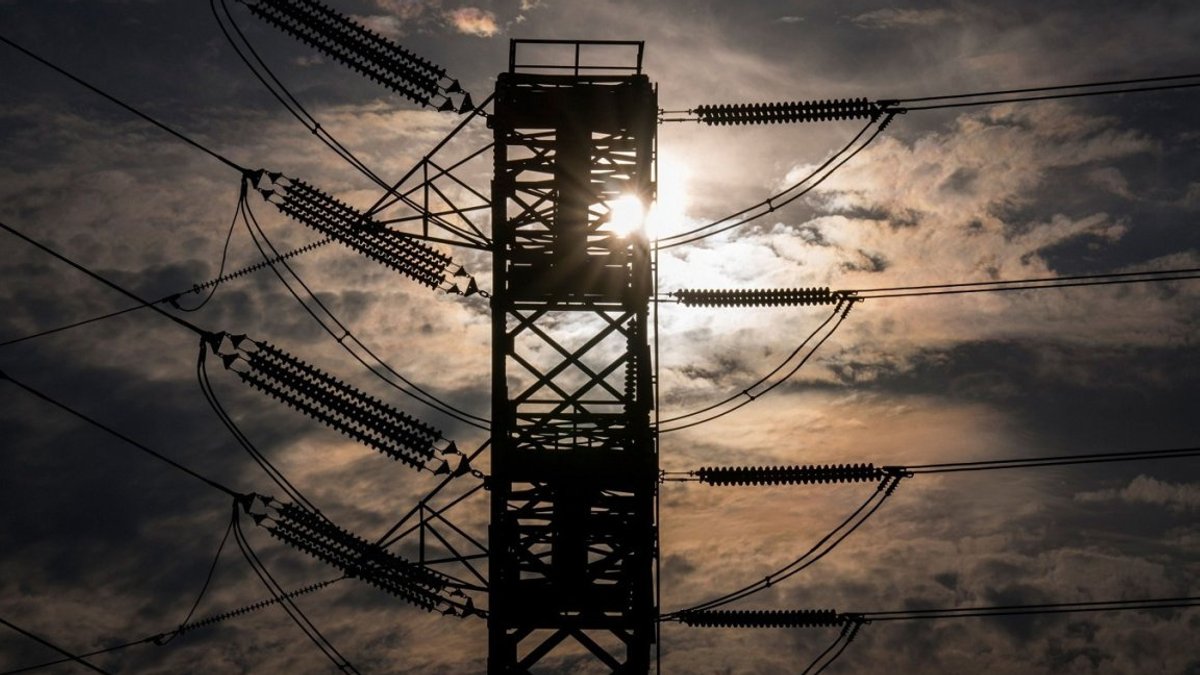
Russia’s energy system has a critical vulnerability, according to Ukrainian military analyst Oleksandr Kovalenko. He highlights the country’s centralized energy structure, managed from a single dispatch center in Moscow.
A strike on this center could cause widespread failure, disrupting power plants, utilities, and transportation across multiple time zones simultaneously.
Diplomatic Missions and Security Assessments
The United States maintains its diplomatic presence in Kyiv, as confirmed by Secretary of State Marco Rubio. This decision comes despite warnings from Russia’s foreign ministry about increased strikes on the Ukrainian capital, urging foreign citizens to leave.
Rubio stated that Washington continuously evaluates threats and security for its diplomatic missions abroad. He noted that the U.S. would make decisions based on the safety of its personnel, emphasizing that the situation in Kyiv is not unexpected given ongoing attacks.
European Union diplomats also affirmed their commitment to staying in Kyiv earlier in the week, using the phrase “We remain in Kyiv” across communication channels. This collective stance reflects a shared assessment of the risks and the importance of maintaining a diplomatic presence in Ukraine’s capital.
Russia’s Energy Grid: A Single Point of Failure
Kovalenko cites the Enisey tugboat as an example of a critical facility. Built in the 1960s, it’s the only vessel enabling ship passage through the Kazachya rapids on the Yenisei River. Its failure would halt river navigation entirely in that section.
Russia’s recent attacks on Ukraine’s energy system demonstrate their willingness to target critical infrastructure. On October 7th, they launched ballistic missiles and drones at Kyiv, Dnipro, and Poltava regions, home to Ukraine’s natural gas reserves.
The attack included Zircon and Kalibr missiles from the Caspian Sea, cruise missiles from Tu-160 and Tu-95 bombers, and aerial bombs in cities near the Russian border.
While damage assessments continue, strikes hit industrial facilities in Dnipro and Zaporizhzhia, and non-residential buildings in Kyiv, causing fires. Zaporizhzhia also reported potential transportation disruptions due to a hit on a transport infrastructure object.
Ukraine is strengthening its radio-electronic warfare systems to protect its infrastructure. President Volodymyr Zelenskyy‘s office discussed using these systems for defense, along with sanctions against Russian arms manufacturers and increased drone deliveries to the front lines.
Zelenskyy accused Russia of trying to make the western Black Sea unnavigable. He confirmed that Ukrainian naval forces, with Bulgarian colleagues, determined that recent attacks on two ships near Biala were carried out by Russian sea and air drones. He ordered Ukrainian services and military to maximize cooperation with partners for mutual protection.
A Russian oil tanker, the Aframax Rio, was attacked by sea drones near Sochi. Its 23 Indian crew members were rescued. Russian military correspondents noted the tanker was under Ukrainian sanctions and transported oil from Novorossiysk to India.
In Zaporizhzhia, a bridge over the Dnipro River was attacked with guided aerial bombs on the night of October 6th. Russian military correspondents noted the attempt was unsuccessful, as the bridge remained intact. This was the third attempt to strike the bridge.
The Institute for the Study of War (ISW) highlighted that since early October, Russia has focused on bridges over the Dnipro River, including in Kyiv. According to Russian defense ministry reports, the Southern Bridge is used for military deliveries to the Donetsk region, while the Northern Bridge is used by Ukrainian military units.
The Northern Bridge in Kyiv, damaged by a drone on October 4th, underwent emergency repairs by the Ukrainian company Kyivavtoshlyakhmost. The damage, including to heat supply lines, was addressed, and the structure was reinforced. A drone-proof net was installed on the bridge.
Ukraine is also strengthening positions in the Lyman direction, particularly in mountain ranges.


