US-Iran war fuels global hunger surge
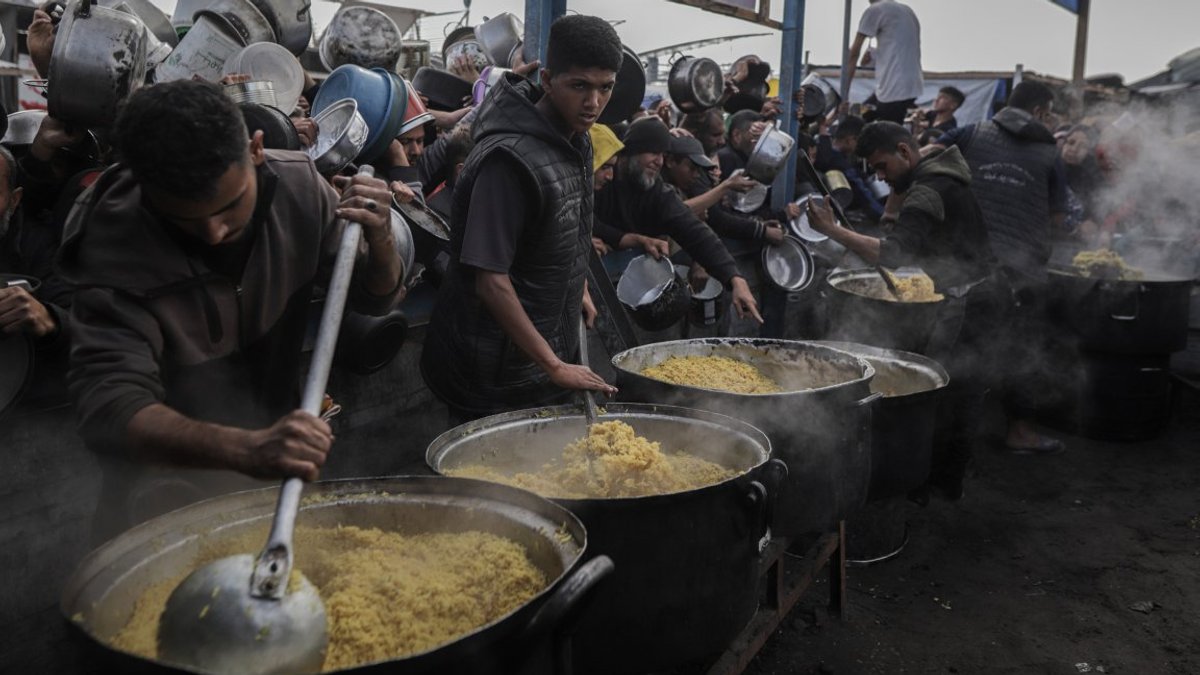
The U.S. conflict with Iran is now linked to a sharp rise in global undernutrition, according to the latest Global Hunger Index released last week.
Hunger scores climb as improvement stalls
The index, which surveyed 122 countries for the 2021-2025 period, shows a reversal of a two-decade trend of declining hunger. It records higher rates of child stunting, wasting and low weight-for-age, indicating that more children are experiencing chronic food deficits.
Experts behind the report attribute a large share of the deterioration to the hostilities that began in 2026, when the U.S. launched military action against Iran. Their analysis projects that tens of millions could face acute scarcity in the coming years, added to the roughly 645 million people already classified as food-insecure in 2025.
Supply chain shocks deepen the crisis
In 2025 the world recorded 65 armed confrontations, the highest number since the Second World War. Disruptions from these clashes have pushed essential commodities farther from civilian markets, from Sudan to the Democratic Republic of Congo and the Gaza Strip.
The Russian invasion of Ukraine also strained supplies. Before the 2022 disruption, Russia and Ukraine together accounted for about 30% of global wheat exports, most of which moved through the Black Sea. The interruption caused a rapid surge in staple prices, hitting the poorest regions of Africa and Asia hardest.
Another critical bottleneck involves fertilizer shipments. Roughly 30% of the world’s fertilizer trade passed the Strait of Hormuz, but the conflict halted flows for months. The World Bank now expects urea prices to jump about 60% this year, with stabilization not expected until 2027.
For smallholder farmers in sub-Saharan Africa, the spike means many cannot afford the inputs needed for a timely planting season. Missing a single cycle reduces yields for years, pushing families deeper into scarcity and limiting children’s growth potential.
Households facing tighter budgets tend to cut the most nutrient-dense meals first, a pattern that can impair lifelong health outcomes.
Humanitarian funding has also contracted. The United States reduced contributions to the UN World Food Programme, leading to the suspension of several projects across Yemen, Sudan and Haiti. Aid cuts compound the effects of higher energy costs, which have risen for both affluent and low-income nations as oil shipments through the Hormuz Strait remain constrained.
Climate and conflict amplify hunger
Climate patterns such as El Niño have already strained food production across the globe. Shifts in rainfall and temperature reduce harvests, especially in regions already coping with war-induced market disruptions. The combined pressure of erratic weather and armed clashes pushes staple availability further from vulnerable populations.
Policy decisions and humanitarian gaps
The war between the U.S. and Iran has deepened the crisis. The conflict halted fertilizer flows for months, and the World Bank expects urea prices to remain high.
A security researcher notes that the new food crisis stemming from the Iran conflict strikes African economies hardest. Limited fiscal capacity and high external debt leave these countries unable to purchase essential inputs, deepening the cycle of undernutrition.
Abdullaye Mohammed of the Permanent Inter-State Committee on Drought in the Sahel describes the relationship between hunger and war as “circular.” Armed engagements restrict access to arable land and pasture mobility, while also disrupting market routes and humanitarian corridors. The resulting scarcity fuels further instability, creating conditions ripe for new conflicts.
Even as fuel prices rise worldwide due to constrained oil flows through the Hormuz Strait, the most acute impact is felt by low-income populations. Higher energy costs increase the price of food transport, compounding the challenges faced by households already cutting back on nutritious meals.
World Bank projections indicate that urea prices will remain high for a long time, with stabilization unlikely before 2027. Persistent high input costs mean that many farms will miss critical planting windows, extending the food-security gap for future harvests.

Trump Announces Trilateral Meeting with Putin, Xi in China


