Verifone Fights Skimming with New POS Technology
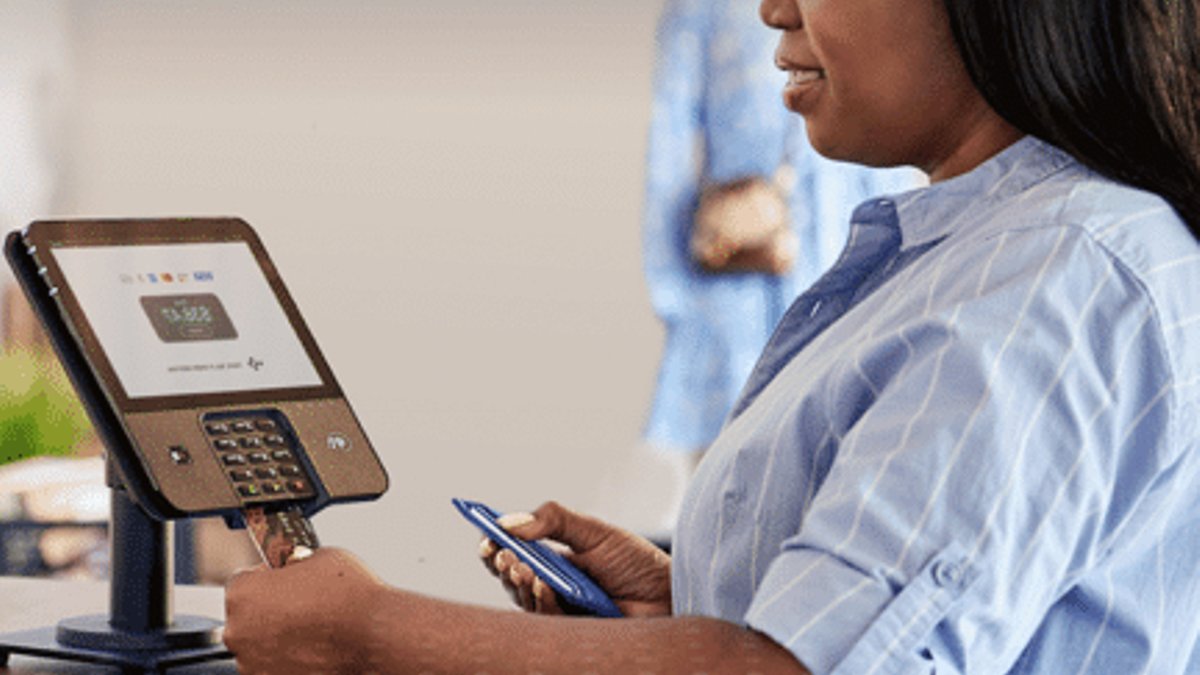
Verifone Inc. has been awarded a U.S. patent for technology that protects point-of-sale terminals and unattended payment devices from card skimming, a move that comes as estimates indicate skimming losses grew 5% last year, reaching approximately $1 billion in the U.S. market.
In skimming attacks, bad actors use devices they insert into the card slot of a payment device or ATM to pick up account data related to the card.
The data can then be used in the creation of fake cards, according to Verifone.
The crime is hard to detect, while longstanding preventive measures such as physical seals, sensors, or manual inspections “can be bypassed by an attacker who knows where to look,”
Verifone’s Solution
“Instead of asking a terminal to detect a specific type of attack, we asked it to autonomously recognize when its own physical environment has changed in a suspect or unnatural way,” says Will Morgan, Verifone’s chief information security officer.
The new detection technology, called Wireless Tamper Detection, is aided by the radio capability already installed in many more recent payment terminals, says New York City-based Verifone.
That allows the anti-skimming technology to be installed without the need for additional hardware, the company says.
Related: Ujjivan SFB shares get unanimous Buy calls
The fact that most modern payment terminals already feature radio capability means that the new detection technology can be provided through software rather than requiring hardware, making it a more streamlined solution.
The patent number for the device is 12,664,553.
Market Impact
Verifone, founded in 1981, commands an estimated 30% share of the U.S. retail POS terminal market.
It was acquired by Francisco Partners in 2018 for $3.4 billion.
Related Developments
In related news, the Singapore-based POS technology provider SUNMI announced software that enables merchants to attend to ordering and other tasks on a main terminal while accepting contactless transactions on a separate device.
The move is part of what the company calls an expansion of its SoftPOS platform aimed at adding contactless-payment capability to a greater range of commercial payment devices.
Some 24% of POS providers offer softPOS, up from 16% in 2025, according to TSG, an Omaha, Neb.-based payments-research firm.

Ujjivan SFB shares get unanimous Buy calls


